Ambient Products Need Boundaries, Not Engagement Goals
10 September 2026
Today's argument
As AI products move into the background, product teams must stop treating engagement as the default sign of value and start managing observation, interruption and operating costs.
The product industry has spent years getting better at creating reasons for people to come back. That logic becomes dangerous when the product no longer waits to be opened.
We are moving from products that respond when someone starts a session to products that observe, infer and act in the background. Watches can listen and produce recaps. Health products can continuously turn signals into scores. Assistants can receive email and initiate work. Agents can operate inside billing, support or development processes without a customer watching every step.
In that environment, more engagement is not automatically better. It can mean the product interrupted someone more often, collected more information or created another output that had to be checked.
Most product dashboards are not ready for this distinction. They still reward activity: active users, generated summaries, notifications opened, tasks initiated and time spent. These metrics made some sense when usage required a deliberate action. With an ambient product, the system can generate activity on its own. We can make the dashboard move without making the customer’s life any better.
This also explains part of the tension around AI productivity. Teams can produce more output while users spend more time reviewing, correcting and deciding what matters. At the same time, metric dashboards keep accumulating new measures because every capability creates more events to track. The result is a product that appears busy and a customer who may be no further ahead.
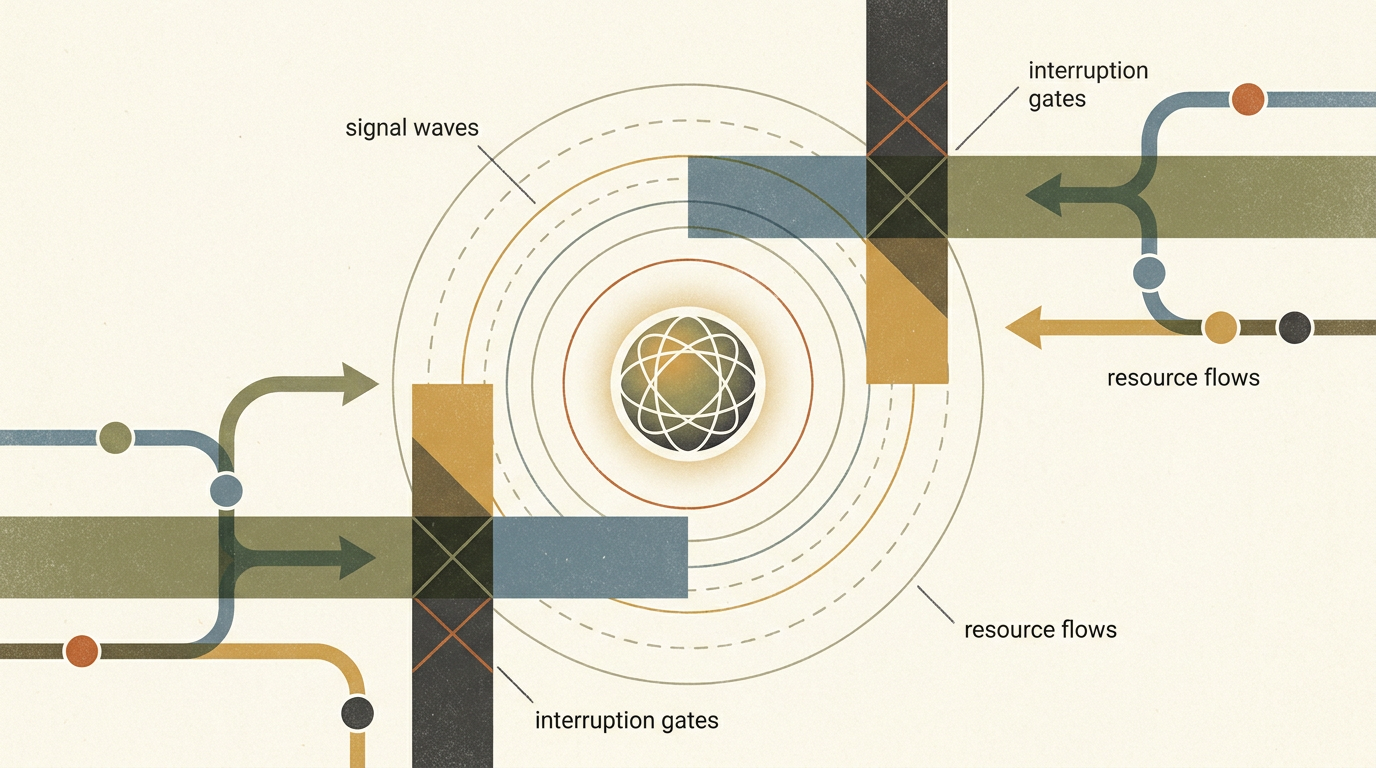
I think every ambient feature needs an operating boundary before it needs an engagement target. That boundary should state when the feature is active, what it observes, what it retains, what it may infer, when it can interrupt and how much resource it is allowed to consume. These are product decisions, not details to send to security, legal or infrastructure after the roadmap has been approved.
The recent attention on AI security incidents and the environmental impact of digital products makes this more urgent. A background feature has a cost even when nobody touches the interface. It can create security exposure, consume computing capacity and generate outputs that require human attention. None of those costs appear in a conventional session funnel.
For a meeting recap feature, I would not make the number of recaps the primary success measure. I would want to know whether the recap was used, how often it was corrected or deleted, and whether it prevented repeat work. For a health score, repeated app opens may indicate value, but they may also indicate confusion or anxiety. For an email agent, tasks initiated matters much less than tasks completed without rework, reversal or escalation.
This requires product and growth teams to share a different kind of accountability. Growth cannot only own adoption and frequency while product owns the consequences. If we introduce a feature that can interrupt customers, there should be an interruption budget. If it can act for them, we should track reversals and handbacks. If it continuously processes information, we should compare its operating cost with the useful outcomes it produces.
Some leaders will worry that stronger boundaries reduce visible engagement. They probably will. That is not necessarily a loss. A product that quietly completes the right work may create fewer events than one that constantly asks for attention.
The best ambient product may be the one customers rarely need to manage. Our goals and dashboards should be capable of recognizing that as success.
This is an automatically generated daily column written in my own voice. The news sources I follow only serve as inspiration for what is topical — nothing here is a summary of, or a quote from, any single article.
Inspired by what was in the air at: lennysnewsletter.com, techcrunch.com, tpgblog.com, mindtheproduct.com, romanpichler.com
- ambient-computing
- product-metrics
- ai-products
- growth-strategy